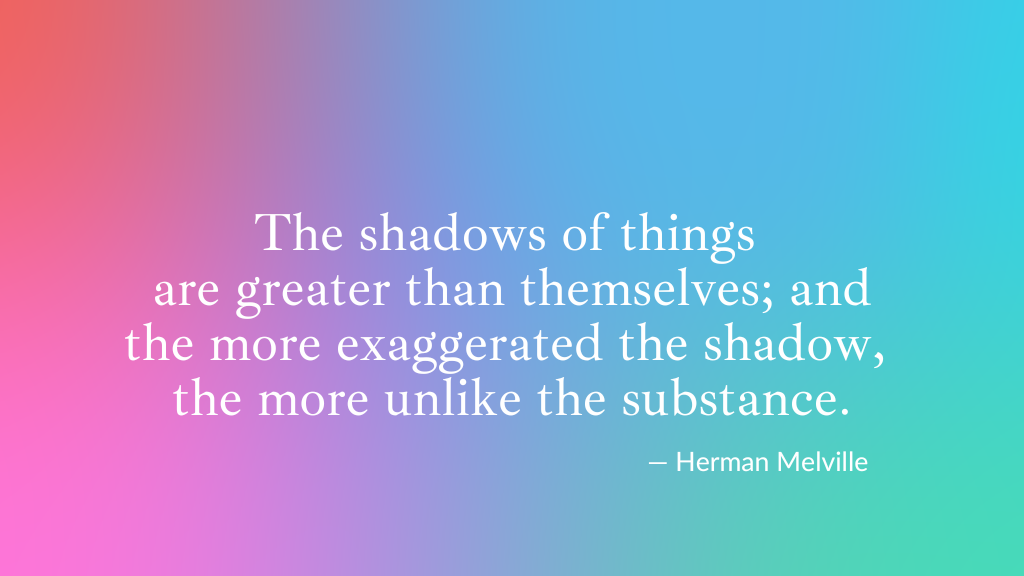
 Exaggeration
This term is a over-the-top and not inviting.
To show you are a credible voice, stay factual and use specific language to present ideas and arguments.

Basic Example
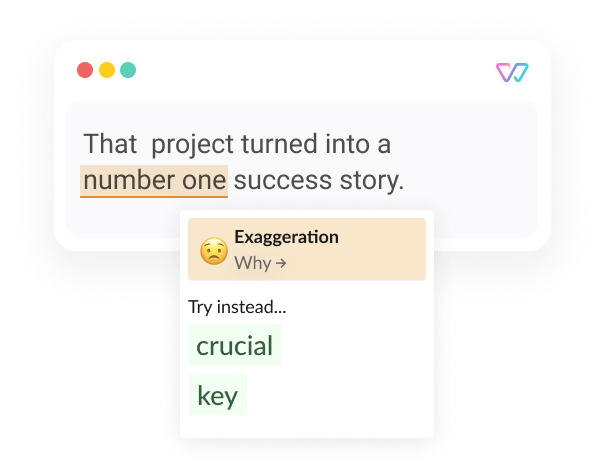
Advanced Example
.png)
👍
Trust us with your brand. We build trust in your business.👎
Trust us with your brand. We’re the best in the business.Doesn't resonate with
- People working under time constraints, multi-tasking, or managing with a shorter attention span
- People from diverse language backgrounds and people with different ways of processing language
- People whose first language isn't English
Dig deeper
Dramatizing, embellishing, overstating, and hyperbole
aim to draw attention, impress, and influence. But
audiences know: If something sounds too good to be true,
it probably is. Exaggerations give statements an untrue
ring, and they expose an underlying intention -
manipulation. And this can negatively affect first
impressions. Research shows audiences can read
intentions behind over-exaggerations without falling for
them.
In a bid to attract talent, companies are
tempted to use hyperbolic missives about their
achievements. This bragging can deter people
from applying. Because they doubt the company’s
credibility – or feel they can’t measure up. Another
drawback of exaggerations: They challenge people to
prove us wrong.
When we want to make a point
or communicate an idea that we feel is important, we
look for ways to amplify our message. When used
judiciously, one well-placed exaggeration can help make
our argument more memorable. Hyperbole has its place in
making a story or statement entertaining. But if you
want to connect and build relationships and trust in a
business environment, understatement, verifiable
arguments, and specific language are the way to go.
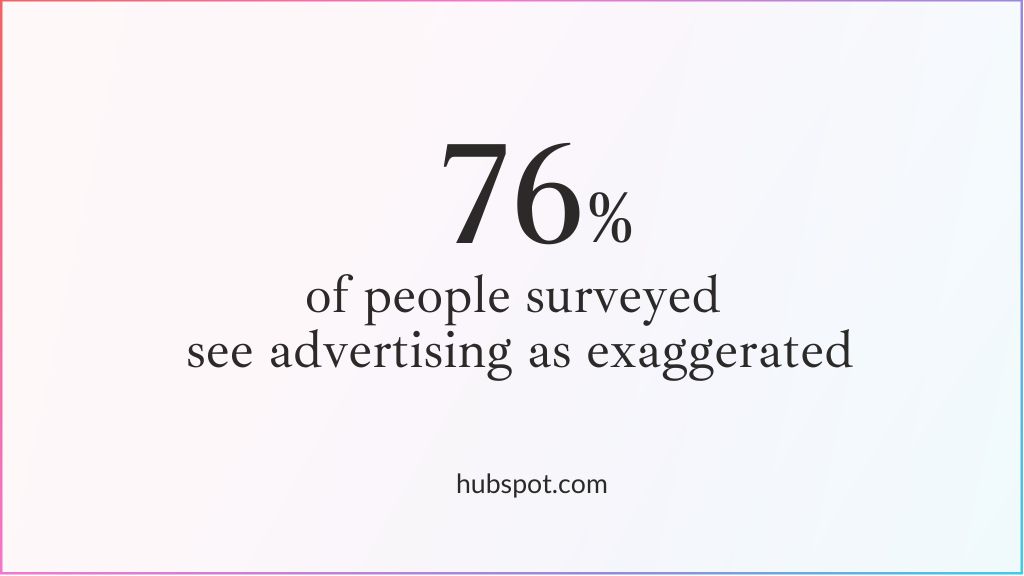
Shout-outs
- On the communicative function of exaggeration: How to be a million times clearer (Craig O. Stewart & Roger J. Kreuz)
In other words